Strength Training for Older Women
Often, when we consider getting healthy, we focus on shedding pounds. However, it’s important to think beyond the number on the scale.
If you’re 50 or older, you should also find ways to build your strength, especially if you’re already having difficulty with tasks like opening jars, climbing the stairs or lifting your grandchildren.
After we turn 30, our muscle mass begins to decline slowly. During perimenopause and menopause, that muscle loss increases even more due to both age and reductions in estrogen levels. However, that doesn’t mean you can’t regain it.
Strength training not only builds muscle and bone, but it also helps you live healthier for longer. A recent study of people 55 and older found that weight lifting alone decreased mortality risks by up to 22%. Resistance exercise also reduces inflammation and improves cognitive function—including memory.
So, what are five easy ways you can start getting stronger?
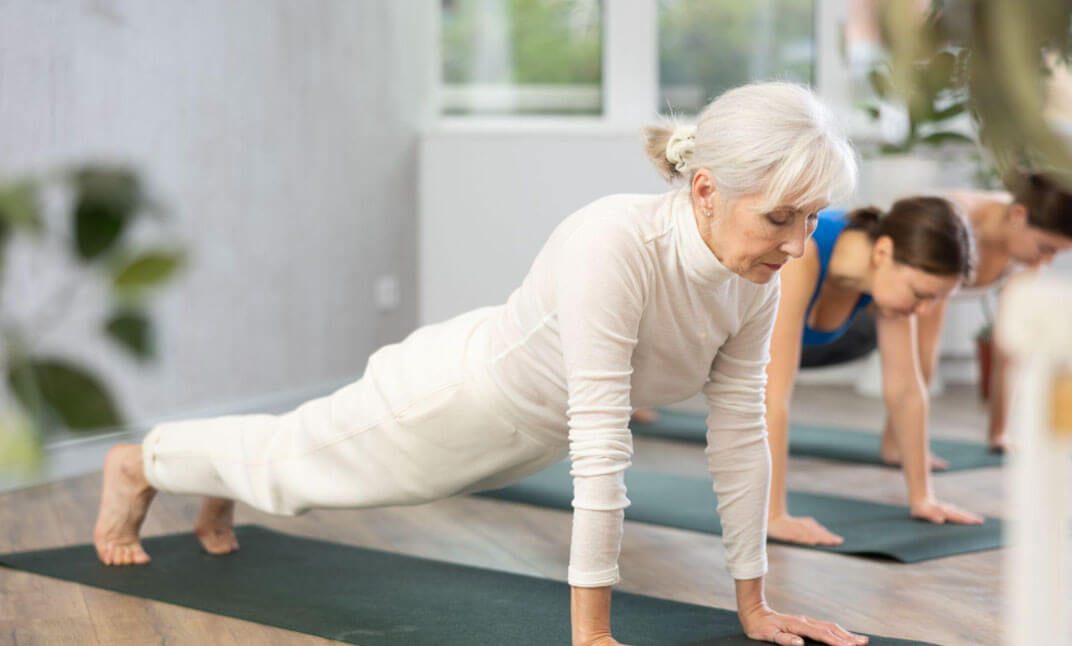
Planks
Start in the “pushup” position with your hands on the floor and your legs extended behind you. Hold this position for at least 15 seconds, and aim for at least two sets. This move not only improves your posture, but also strengthens your back, core and shoulders.
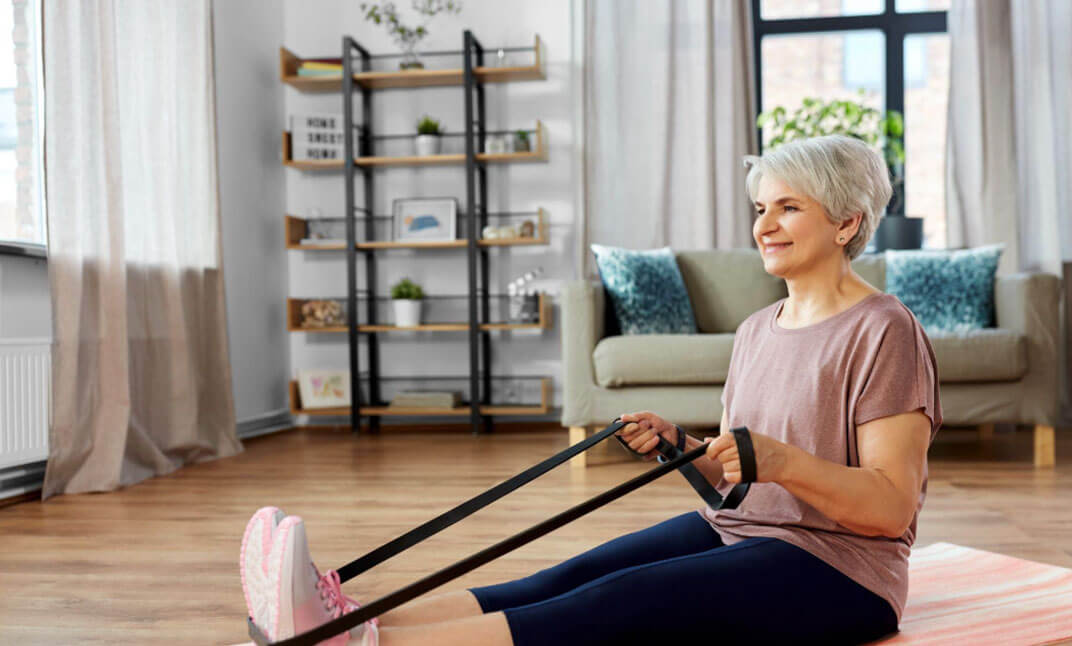
Seated Rows (with resistance bands)
Sit with your legs extended and position a resistance band around your feet. Begin by holding the band with straight arms and a straight back. Then, bend your elbows to pull the band toward your chest, keeping it close to your body. Slowly straighten your arms again and repeat until you’ve completed 10 reps. This can help strengthen your back, shoulders and arms in addition to improving your posture.
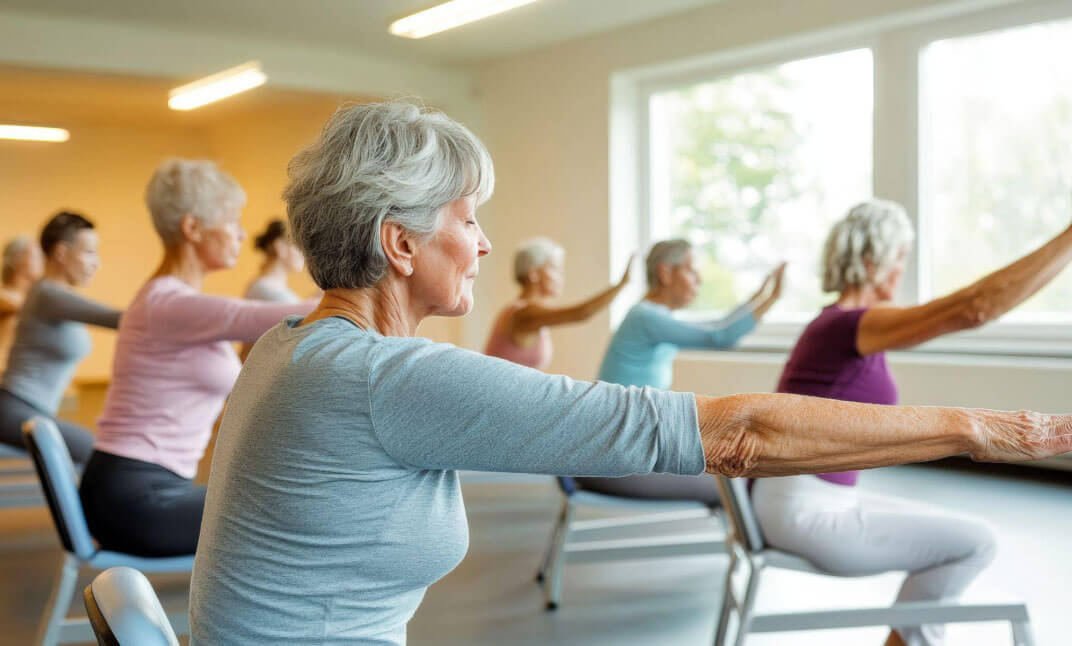
Sit-to-Stands
Sit in a chair, but keep your feet flat on the floor. Then, lean forward slightly and push up to a standing position using your core and leg muscles (but not your arms). Slowly lower down into the chair again and repeat until you’ve completed 10 reps.
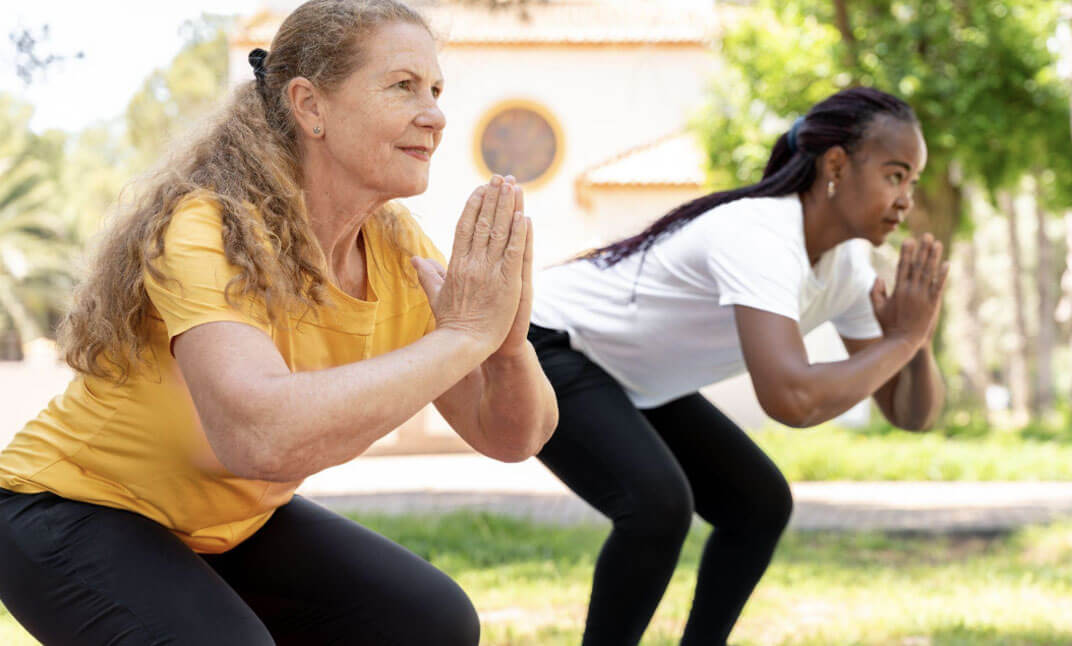
Squats
Stand with your feet shoulder-width apart and bend at the knees as if sitting in a chair—just don’t let your knees extend beyond your toes. Aim for two sets of 10 reps to strengthen your legs, hips and core while boosting your balance. As you get stronger, you can add light dumbbells (under five pounds) to the mix.
Remember, living a long, healthy life is about more than losing weight. Becoming stronger will help you move better with less pain, reduce your risk for falls and fend off chronic diseases like arthritis, heart disease and even cognitive decline.
Back